June 26, 2026
The shift toward renewable energy sources continues to reshape residential construction. Homeowners seek innovative ways to harness natural power while maintaining architectural integrity. Solar tiles offer a brilliant solution to this modern challenge. This advancement blends energy generation with traditional weather protection. Individuals looking to upgrade their properties find immense value in solar roofing. Incorporating energy-generating materials ensures long-term sustainability.
Transitioning to modern energy systems requires careful thought and extensive research. Property owners must evaluate multiple elements to ensure optimal performance over decades. Solar roofing materials provide a distinct advantage over conventional rack-mounted panels. They integrate direct energy capture into the standard building envelope. Understanding essential requirements helps property owners make informed decisions. A thorough evaluation guarantees maximum benefits.
Assessing the Structural Suitability of the Property
A solid foundation dictates the success of any renovation project. According to RubyHome, around five million roofing systems are constructed every year in the U.S. This vast amount of construction highlights a prime opportunity for integrating sustainable materials. Before adding solar shingles, builders must examine the underlying architecture. The framework must possess adequate strength to support the new materials. Proper evaluation prevents future complications.
Sunlight exposure stands as a crucial determinant of energy production. Properties with unobstructed southern exposures capture maximum radiation throughout the daylight hours. Tall trees or neighboring buildings create shadows that reduce generation efficiency. Technicians map sun paths to predict the exact energy generation potential. A location with abundant sunshine maximizes the return on investment. Evaluating shade patterns ensures the elements perform at peak capacity.
Roof pitch influences energy capture capabilities in a profound way. An optimal angle aligns the light-absorbing cells directly with the sun. Flat structures might require angled mounts to achieve the desired orientation. Steep angles can obscure direct light absorption during certain seasons. Installers analyze the slope to determine the best material placement. A well-angled surface guarantees consistent energy generation.
Material condition plays a vital role in preparation for the upgrade. Older underlayment might need replacement before the new installation begins. A pristine decking surface creates a secure attachment point for the modern tiles. Ensuring the structural integrity of the wood prevents moisture intrusion. Builders prioritize a sound foundation to support the weather-resistant materials. This careful preparation guarantees the longevity of the entire building structure.
Evaluating the Financial Viability of the Investment
Transitioning to clean energy brings significant economic advantages to modern households. Property owners notice substantial reductions in utility bills over an extended time. Generating independent electricity shields residents from fluctuating energy market prices. The initial expense translates into decades of predictable utility costs. Financial analysts view solar roofing as a strong asset enhancement for property portfolios. This perspective reveals the economic power of the installation.
Government incentives lower the barrier to entry for renewable building technologies. Federal programs offer tax credits to encourage sustainable upgrades across the nation. State and local municipalities provide additional rebates for clean energy adoption. These financial benefits decrease the total out-of-pocket expenditure required to begin the project. Property owners must research available programs in their specific regions. Utilizing these incentives makes the transition attractive.
Property value increases alongside targeted energy efficiency improvements. Buyers seek residences with low operating costs and modern technological amenities. Energy-generating tiles elevate the market appeal of a standard home. Real estate professionals note a growing demand for sustainable properties among new buyers. An upgraded home commands a premium price in a competitive housing market. The integration of modern technology proves to be a lucrative enhancement.
Maintenance costs remain minimal over the lifespan of the entire system. Traditional panels require occasional cleaning and bracket inspections to maintain safety standards. Integrated tiles offer a durable surface with fewer exposed components to sustain damage. The durable nature of the materials withstands harsh weather conditions without degradation. Reduced upkeep translates to additional financial savings for the property owner. This low-maintenance profile adds to the economic appeal.
Understanding the Aesthetic Integration of the Design
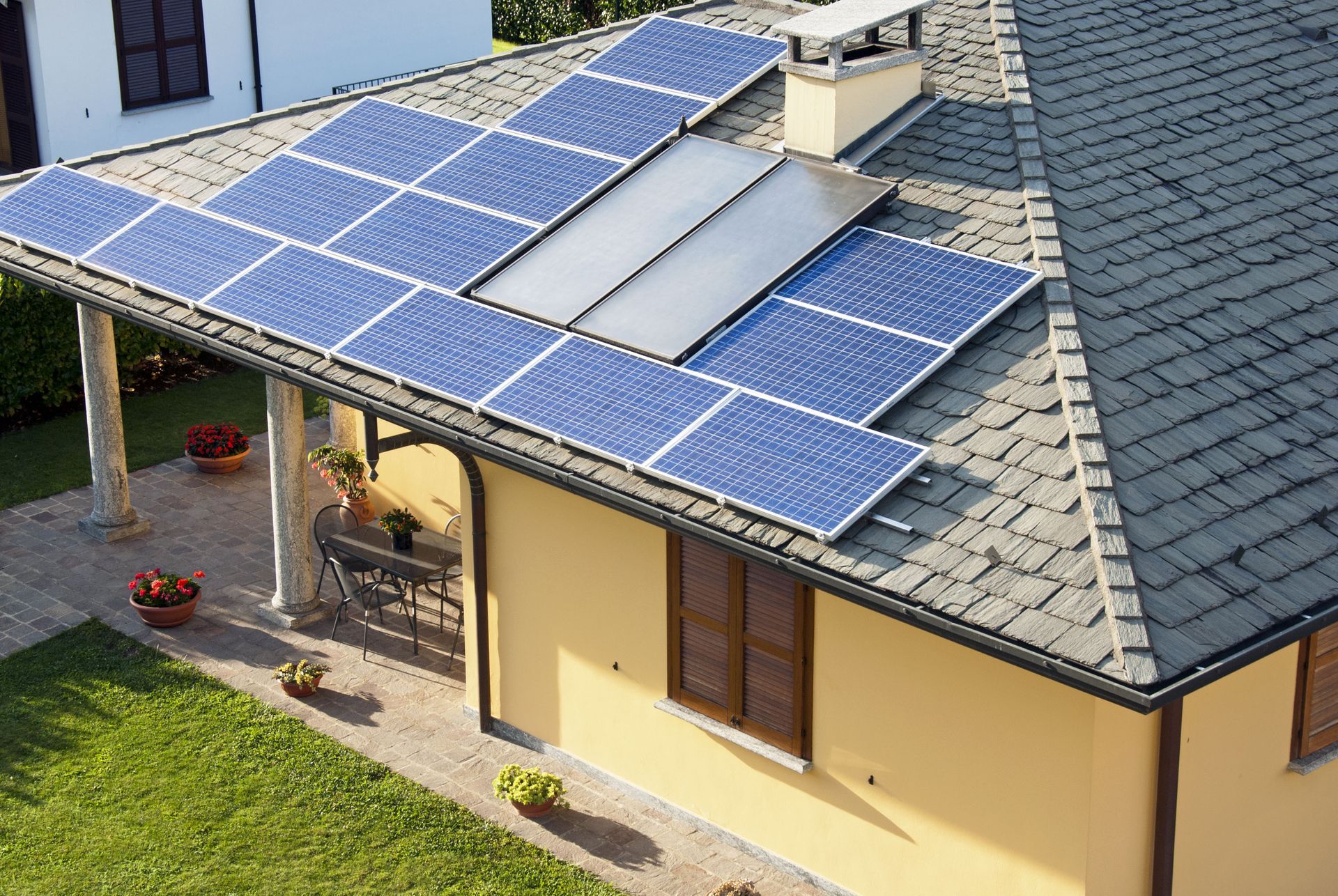
Visual appeal drives many residential home improvement decisions. Conventional rack-mounted panels can disrupt the architectural harmony of a beautiful residence. Integrated solar shingles lie flush with traditional materials for a smooth finish. This profile maintains the original design intent of the building architecture. Architects favor this approach for custom homes and complex historic renovations. The sleek appearance of solar roofing enhances curb appeal without compromising functionality.
Color matching ensures a cohesive exterior appearance for the entire building. Manufacturers produce tiles in various shades to mimic conventional materials. Homeowners can select hues that complement the existing exterior color palette. The dark, uniform surface of the active tiles blends with inactive surrounding materials. This subtle integration prevents the energy system from dominating the visual landscape. The result is an elegant and sophisticated building exterior.
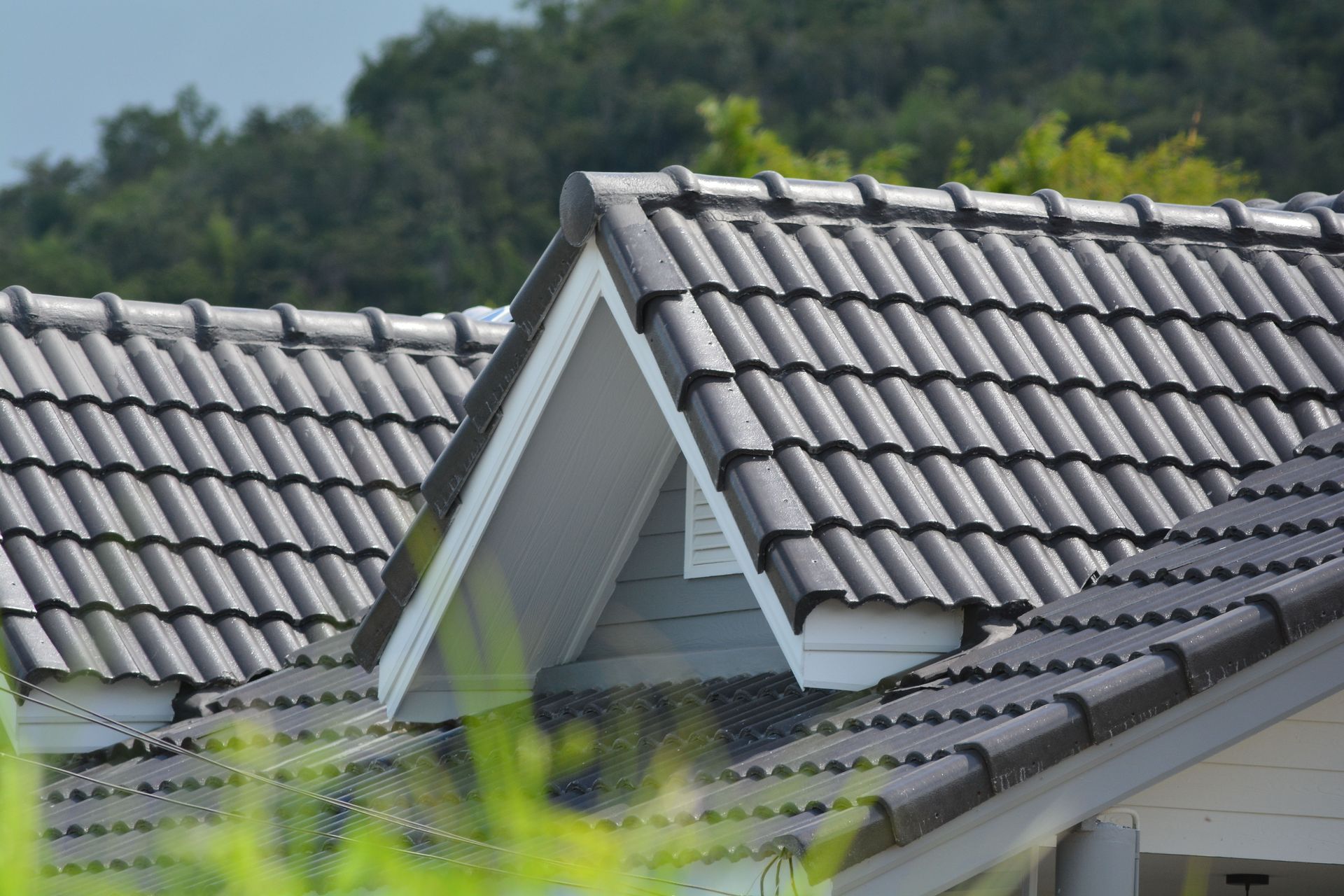
Profile design dictates the visual texture of the finished exterior surface. Smooth glass finishes offer a contemporary look for minimalist modern homes. Textured options mimic the classic appearance of slate or traditional asphalt shingles. Designers utilize these varied profiles to match specific architectural styles. The ability to customize the texture expands the design possibilities for builders. This versatility makes the technology suitable for diverse residential projects.
Neighborhood guidelines influence exterior modifications in many residential developments. Homeowner associations maintain strict rules regarding visible utility equipment on houses. Integrated energy tiles meet the rigorous aesthetic standards of these restrictive communities. Their discreet appearance satisfies strict architectural review boards in premium neighborhoods. Property owners can achieve energy independence while adhering to community rules. This aesthetic compliance removes a major hurdle in residential renewable adoption.
Identifying the Environmental Impact of the Upgrade
Sustainable living requires actionable commitments to global carbon reduction efforts. Generating power from the sun diminishes reliance on harmful fossil fuels. Traditional electricity grids consume vast amounts of coal and natural gas. Transitioning to self-generated power eliminates a significant portion of household carbon emissions. Environmental advocates champion solar roofing as a vital tool for planetary ecological preservation. This shift represents a tangible contribution to global climate stabilization goals.
Material sustainability improves the ecological footprint of the physical product. Manufacturers utilize recycled materials in the production of modern energy tiles. The manufacturing process itself gains efficiency with each passing production cycle. Creating long-lasting building materials reduces landfill waste over extended time periods. A durable product delays the need for future replacements and material consumption. This lifecycle perspective highlights the deep environmental benefits of the emerging technology.
Grid stabilization occurs when neighborhoods adopt decentralized power generation methods. Homes producing excess electricity can return power to the local community network. This distributed generation reduces the strain on central power plants during peak demand. A resilient grid prevents blackouts and minimizes the need for massive infrastructure expansion. Energy independence strengthens the broader municipal power framework against unexpected failures. This collective benefit extends beyond individual households.
Resource conservation extends to vital water usage across the planet. Traditional power plants consume massive quantities of fresh water for essential cooling purposes. Sun-powered systems require no water to generate usable household electricity. This conservation aspect proves crucial in drought-prone regions facing severe water shortages. Adopting water-free energy generation protects vital local resources from rapid depletion. The ecological advantages span multiple facets of global environmental protection.
The future of residential construction favors sustainable and integrated building designs. Embracing solar roofing positions a property at the forefront of this architectural movement. The benefits extend beyond immediate utility savings to encompass global ecological health. A well-planned installation enhances the structural, financial, and aesthetic value of a residence. The commitment to clean energy transforms a standard shelter into an active participant in a sustainable future. The power of the sun offers boundless potential. Property owners ready to embrace sustainable energy can contact Christian Roofing, Inc to begin the evaluation process. Scheduling a consultation initiates the seamless transition to modern solar roofing.