October 13, 2026
Evaluating multiple proposals for a major home improvement project requires careful attention to details, scope, and total costs. Homeowners often feel overwhelmed by the varying prices, materials, and terms presented by different contractors during this preliminary stage. To make the most informed decision possible, you must look beyond the final dollar amount and analyze every aspect of the proposal. Understanding how to properly analyze and evaluate different roofing estimates empowers you to choose a reliable professional who will complete the work correctly while protecting your financial investment. Taking the time to double-check every itemized line now prevents costly surprises once construction begins.
Navigating the evaluation process successfully means avoiding common pitfalls that often lead to unexpected expenses, delayed timelines, or poor craftsmanship. By recognizing where many property owners make missteps, you can approach your decision with clarity and confidence. From evaluating material quality and labor expertise to reviewing warranties and contractual agreements, taking a thorough approach ensures long-term value. Exploring key strategy guidelines will help you thoroughly analyze each estimate you receive and choose the ideal contractor for your residential replacement or repair project. A methodical side-by-side comparison reveals subtle differences that distinguish true quality from rushed work.
Analyzing Material and Scope Requirements
Examining the specific scope of work and specified materials is essential when reviewing any proposal. Contractors often utilize different grades of asphalt shingles, underlayment, synthetic underlayment, drip edges, and flashing, which significantly impacts the total price tag and overall durability of the system. Failing to identify these specific components can lead to mismatched expectations and future performance issues. Reviewing a detailed breakdown allows you to make an accurate, direct comparison between different proposals and ensure your home receives high-quality protection that resists severe weather elements. Clear material specifications give you complete control over the long-term aesthetics and functionality of your property.
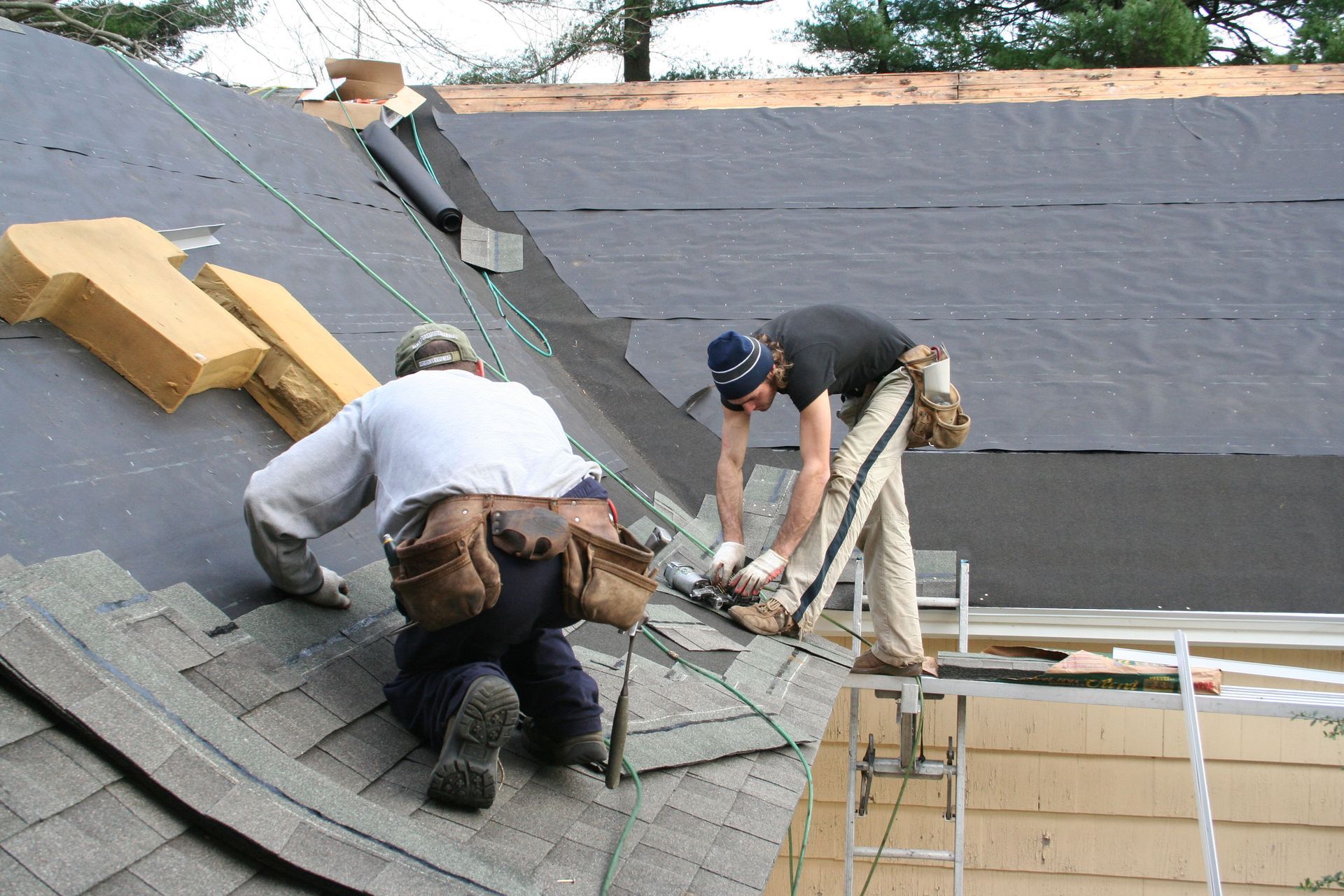
Assessing labor expertise, permit requirements, and cleanup provisions provides a complete picture of the total job value. Experienced installation crews often reflect higher labor rates, but their expertise reduces the likelihood of costly installation errors down the road. Furthermore, verifying whether local municipal permits, building inspection fees, and complete debris removal are included prevents unexpected costs after work begins. Clear provisions for site cleanup and magnetic nail sweeps ensure your property remains safe, tidy, and undamaged throughout the entire tear-off and installation process. Confirming these logistical details ahead of time saves you from unexpected post-project cleanup chores and municipal fines.
Evaluating Overall Pricing and Value Options
Focusing solely on the lowest initial quote frequently leads to long-term disappointment and unexpected extra charges. Cheap bids often hide substandard materials, rushed labor, or hidden fees for necessary specialized items that arise once work gets underway, such as replacing rotted plywood decking or hidden flashing repairs. Scrutinizing itemized costs reveals non-disclosed charges early and helps protect your overall budget. Investing in higher-quality materials upfront generally yields lower long-term maintenance costs and superior overall weather protection for your house over its lifetime. Evaluating long-term value over initial expense ensures your home investment remains secure for decades.
Reviewing available payment schedules, value-adding enhancements, and financing opportunities helps align the project with your broader financial plans. Differing payment structures, such as initial deposits, progress milestones, or final completion terms, must fit comfortably within your budget to prevent cash flow strain. Exploring enhancements like upgraded waterproofing, high-performance ridge vents, or energy-efficient insulation features can provide impressive return on investment over time. Comparing financing terms across contractors allows you to secure manageable monthly payments while achieving maximum structural performance. Balancing your immediate budget with long-term energy savings creates an optimal financial arrangement.
Verifying Professional Contractor Credentials
Validating licensing, active insurance coverage, and industry certifications is a vital step before agreeing to any proposal. Licensed professionals comply with regional building standards, while proper general liability and workers' compensation coverage protect you from financial liability in the event of an onsite accident or structural damage during construction. Additionally, specialized manufacturer certifications indicate that a crew stays current with modern installation techniques and industry standards. Taking time to verify these credentials ensures your project is handled by competent, legal, and fully qualified professionals. Checking these credentials offers peace of mind throughout the entire active phase of your project.
Researching contractor reputation through client references and online feedback gives deep insight into past performance and work ethic. Contacting previous clients reveals whether a crew adheres to promised deadlines, maintains clean job sites, and handles unforeseen challenges professionally. Online reviews offer a broader view of consistent customer satisfaction and communication habits over time across many different home projects. Combining personal reference checks with digital research helps confirm that a potential candidate is reliable, skilled, and honest. Hearing directly from past homeowners provides valuable perspective on what working with a team will actually feel like.
Managing Seasonal and Timeline Factors
Understanding how climate conditions and changing seasons influence project schedules is crucial for establishing realistic expectations. Homeowners often overlook scheduling impacts due to climate, leading to frustrated timelines and potentially higher costs. According to Medium, it can take between three and seven days to install a new roof under optimal conditions. Scheduling projects during favorable weather ensures timely completion and minimizes labor disruptions. Accounting for seasonal shifts ensures your project stays on schedule without compromising installation standards.
Planning around seasonal material price changes, peak contractor demand, and personal family calendars results in a smoother overall experience. Demand fluctuations in busy summer months often lead to elevated labor rates and limited contractor availability, whereas late fall might offer scheduling flexibility and more competitive pricing options. Coordinating the prospective project timeline with your family's personal commitments prevents unnecessary daily disruptions and stress. Finally, recognizing that extreme winter weather or summer rainstorms may temporarily pause installation work helps maintain realistic project milestones. Remaining flexible with exact dates allows crews to work safely without rushing through critical sealing steps.
Prioritizing Written Agreements and Expectations
Demanding complete written documentation protects both parties against miscommunication, shifting scopes, and unexpected financial disputes. Relying on verbal promises or informal handshakes leaves room for differing interpretations of work scope, completion dates, cleanup standards, and overall costs. A legally binding, detailed contract clearly specifies every element of the job and serves as a reliable reference point from start to finish. Ensure every estimate is translated into a comprehensive contract before work begins on your property. Having a precise paper trail holds all involved parties fully accountable throughout every project milestone.
Establishing explicit guidelines for project milestones, scope changes, and ongoing communication ensures full transparency throughout construction. Clear change order provisions define exactly how unexpected structural repairs or material upgrades are authorized, priced, and scheduled without stopping overall momentum. Documenting all discussions, text messages, and email updates maintains an accurate record of decisions made during the project. Defining clear project management roles prevents overlaps and guarantees that labor, procurement, and daily progress remain organized. Open lines of communication keep expectations aligned and minimize frustration for everyone involved.
Carefully comparing every aspect of competing proposals guarantees that your investment yields a durable, high-performing system. Avoiding common pitfalls like ignoring scope details, failing to verify credentials, or focusing strictly on low price tag allows you to choose a skilled contractor who delivers long-term quality. Protecting your home requires a thorough evaluation of materials, warranties, cleanup terms, and contractual protections. Taking a disciplined approach to reviewing roofing estimates ultimately saves money, minimizes stress, and delivers exceptional craftsmanship. A structured evaluation process turns a daunting task into a confident home investment decision.
Selecting the right professional contractor ensures your home stays protected against the elements for decades to come. If you are ready to start your next home improvement project with confidence and clarity, contact Christian Roofing, Inc today to receive comprehensive, transparent
roofing estimates tailored to your specific needs.