October 13, 2026
San Diego is celebrated across the nation for its idyllic Mediterranean climate and abundant sunshine, averaging nearly three hundred sunny days each year. This unique geographical advantage makes the region a premier location for residential solar energy generation. For local homeowners evaluating long-term property investments, understanding the full scope of modern solar roofing technology is essential. Upgrading to an integrated solar roof allows you to harness renewable energy directly from the sun, fundamentally transforming how your home consumes electricity while simultaneously strengthening your household budget against rising utility rates.
As energy demands continue to grow across Southern California, home solar systems offer an efficient path toward greater energy independence and environmental responsibility. Installing an integrated solar roof provides a dual benefit: it acts as a resilient barrier against the elements while simultaneously serving as a clean power generation plant for your residence. By assessing how your home's architectural structure aligns with San Diego's abundant solar resource, you can make an informed decision regarding your long-term energy strategy. Modern solar roofing options deliver an ideal synthesis of structural durability, aesthetic appeal, and financial performance for homeowners ready to optimize their energy consumption.
Understanding the Mechanics and Innovations of Solar Roofing Technology
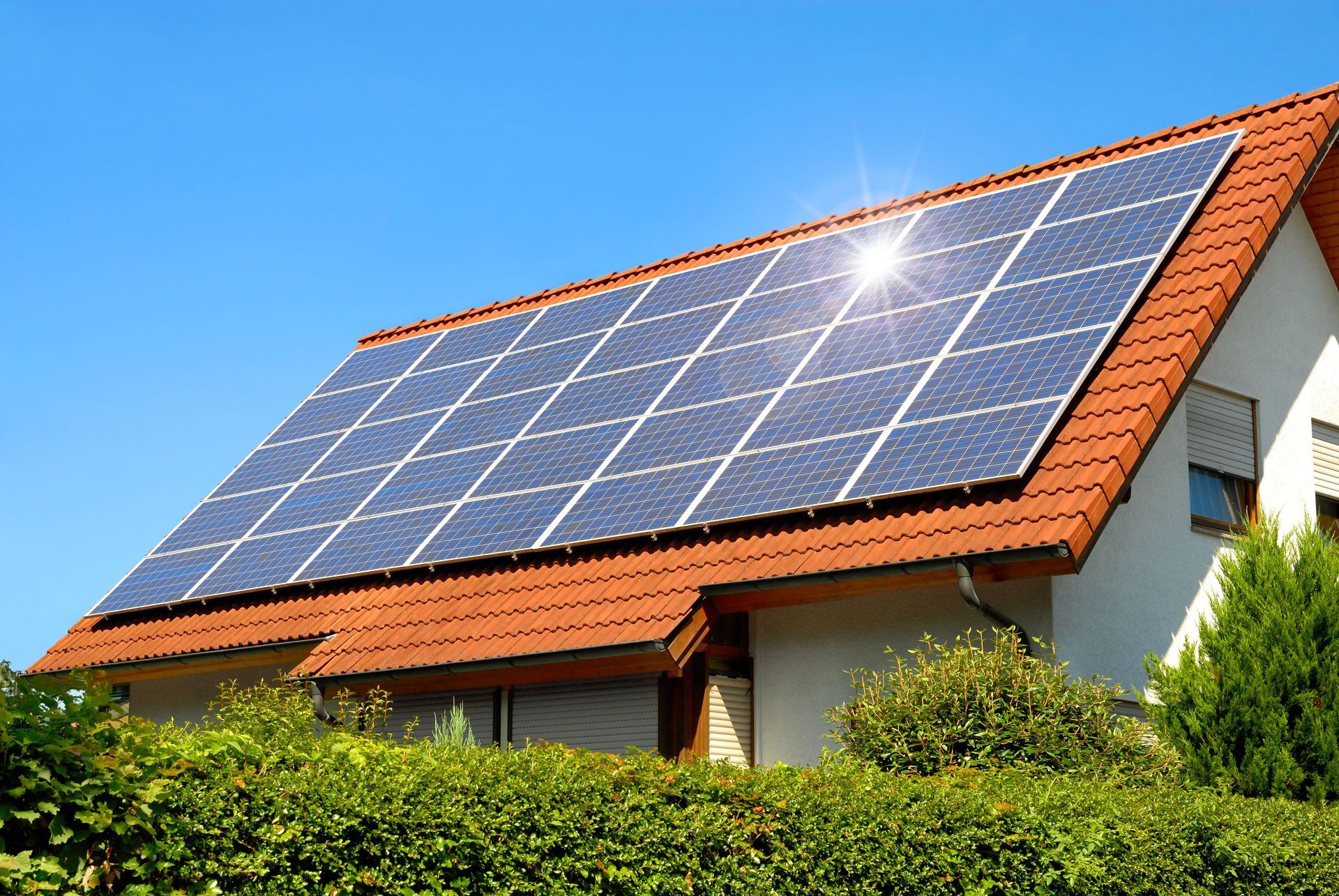
At its core, solar roofing integrates specialized photovoltaic technology directly into durable building materials, creating a sleek system that generates clean electricity while serving as your home's primary weather barrier. Unlike conventional panel systems that require mounting racks over existing shingles, an integrated solar roof consists of engineered solar shingles or tiles that replace traditional roofing products entirely. This seamless architectural approach allows you to capitalize on Southern California's generous sun exposure without compromising your home's visual appeal. The underlying photovoltaic cells convert incoming sunlight into direct current electricity, which is then safely routed to an inverter that transforms it into usable alternating current electricity for daily household needs.
Advances in solar technology have expanded the variety of integrated roofing options available to homeowners today. Solar shingles are designed to mirror the low-profile appearance of premium asphalt shingles, making them an ideal choice for residential neighborhoods. Meanwhile, high-strength solar tiles emulate the classic look of traditional slate or clay tiles, which are widely popular throughout San Diego's Mediterranean-style architectural developments. Both product types incorporate toughened tempered glass and advanced composite materials, allowing them to withstand heavy winds, impact, and extreme ultraviolet exposure while continuously generating clean energy for decades.
Roof pitch and orientation play vital roles in maximizing the total annual energy output of any residential photovoltaic system. According to This Old House, a south-facing roof pitched between 30 and 45 degrees is considered ideal for solar panels in the Northern Hemisphere. Homes in San Diego that meet these structural parameters achieve optimal solar absorption throughout every season. When selecting a modern solar roofing system, evaluating your home's roof pitch, orientation, and potential shading from nearby trees ensures that your investment delivers maximum efficiency, consistent performance, and the highest possible energy yield over its operational lifespan.
Weighing the Financial Advantages and Environmental Impact
The financial benefits of upgrading to a solar roof are substantial, especially given Southern California's historically high utility rates. By generating your own clean power on-site, you reduce or eliminate your monthly reliance on grid-supplied electricity. Over time, the cumulative utility bill savings offset the initial installation investment, turning a traditional household expense into a wealth-generating asset. Furthermore, integrated solar roofs qualify for net energy metering programs offered by local utilities, enabling homeowners to earn billing credits by sending excess daytime electricity generation back into the regional power grid.
Beyond direct utility savings, choosing a solar roof yields significant environmental benefits by lowering your household carbon footprint. Solar generation produces zero greenhouse gas emissions during operation, helping reduce regional demand for fossil-fuel power plants and contributing to a healthier environment. Transitioning to renewable energy aligns with San Diego's ambitious local sustainability initiatives, empowering individual homeowners to play an active role in regional ecological preservation. By replacing fossil-fuel electricity with clean solar power, you help build a cleaner energy grid while preserving natural resources for future generations.
In addition to ongoing utility savings, an integrated solar roof increases the overall resale value of your property. Modern real estate trends clearly demonstrate that homebuyers in San Diego place a high premium on energy-efficient homes equipped with low operating costs. An aesthetically pleasing solar roof eliminates the future need for a traditional roof replacement while guaranteeing long-term energy savings for prospective buyers. Consequently, homes featuring high-performance solar roofing systems often command higher market valuations and sell faster than comparable properties with conventional asphalt roofs.
Leveraging Local Tax Incentives and Regional Solar Programs
Navigating the financial landscape of renewable energy installations is remarkably straightforward due to robust federal, state, and local support. The federal solar Investment Tax Credit allows qualifying homeowners to deduct a significant percentage of their total solar installation costs directly from their federal tax liability. This substantial financial incentive lowers the effective upfront capital required, dramatically accelerating the total return on investment for homeowners choosing to install a modern solar roof.
In addition to federal tax advantages, state and municipal incentives further enhance the economic feasibility of residential solar installations. California offers specialized financing pathways, such as Property Assessed Clean Energy programs, which enable property owners to fund energy-efficient home improvements through their annual property tax assessments. Combining these financing mechanisms with federal tax credits makes adopting an integrated solar roof far more accessible for budget-conscious families seeking long-term financial security.
Local utility companies in the San Diego region also participate in clean energy initiatives that simplify the grid-interconnection process. Working alongside experienced local professionals ensures that all necessary permit applications, grid interconnection agreements, and rebate documentation are processed accurately and efficiently. Taking full advantage of available financial incentives allows you to maximize your project's return on investment while enjoying the peace of mind that comes with professional installation standards.
Addressing Structural Suitability and Installation Considerations
Before committing to a solar installation, a comprehensive evaluation of your existing roof structure is essential. An experienced installer will inspect your home's framing, decking, and load-bearing capacity to confirm that the structure can safely accommodate the new solar roofing materials. Assessing shading patterns caused by neighboring structures or mature trees is equally critical, as persistent shadows can diminish photovoltaic production during peak sunlight hours. Identifying and addressing these physical factors early guarantees optimal energy harvest.
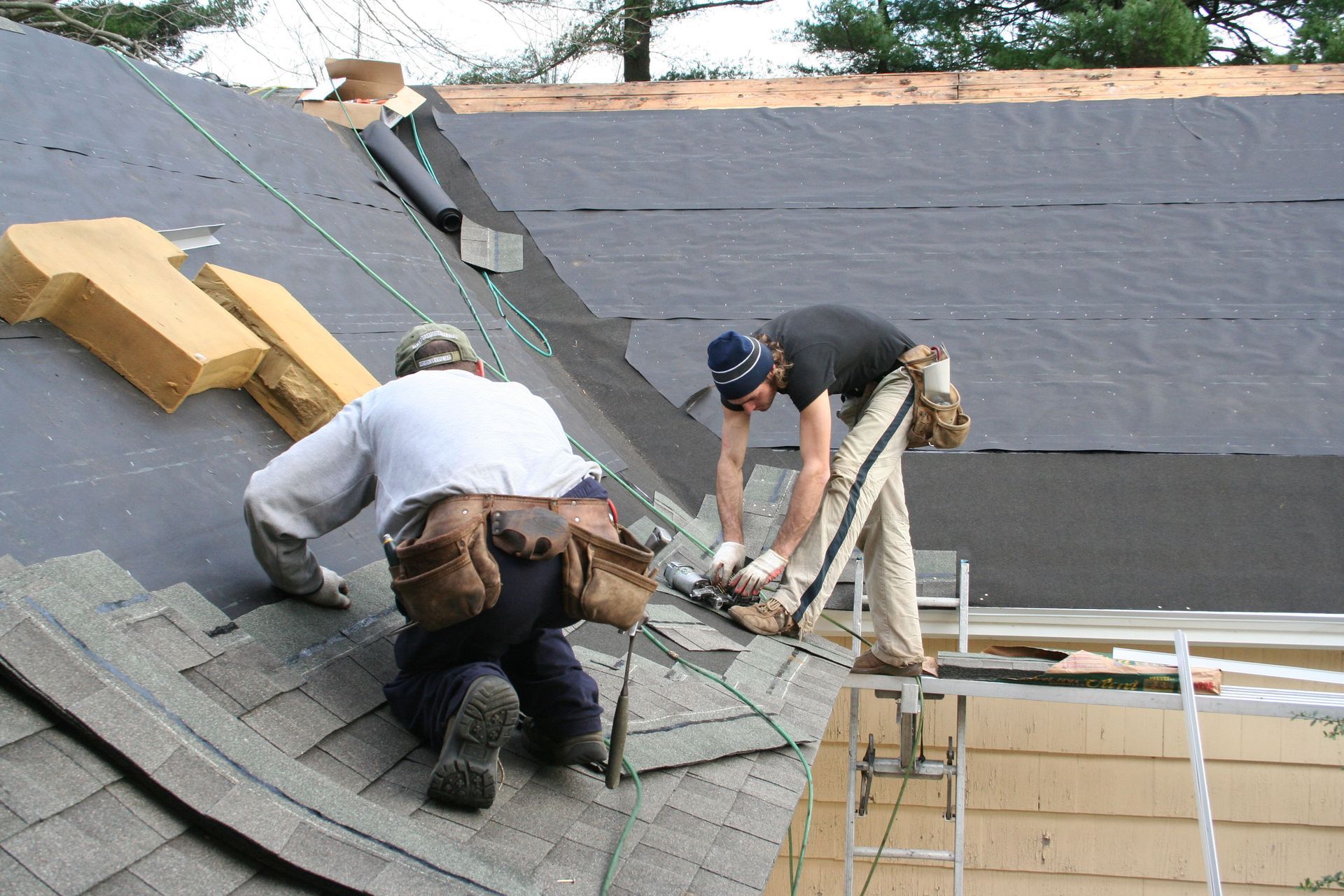
The installation of an integrated solar roof requires specialized expertise that spans both traditional roofing practices and advanced electrical engineering. Choosing an experienced contractor ensures that all flashing details, water-resistant underlayments, and wiring connections are executed according to strict building codes. A high-quality installation prevents water intrusion, ensures proper roof ventilation, and maintains the long-term structural integrity of your home, safeguarding your investment against environmental stress.
Maintaining an integrated solar roof is remarkably simple, as the smooth tempered glass surfaces naturally shed dust, leaves, and atmospheric debris during seasonal rains. Periodic visual inspections and routine clear-water rinsing ensure that the photovoltaic cells remain unobstructed for maximum light absorption. Modern systems also feature real-time mobile monitoring software, enabling you to track daily energy production, detect potential technical anomalies instantly, and optimize your overall household power consumption from anywhere.
When you are ready to evaluate your home's solar potential and explore custom energy solutions tailored to your property, partner with trusted local professionals who understand Southern California's unique building requirements. The team at Christian Roofing, Inc is dedicated to delivering superior craftsmanship, top-tier materials, and reliable service for all your residential roofing needs.