September 11, 2026
Roofing shingles face constant exposure to UV rays, high temperatures, and severe weather conditions that wear down materials over time. Homeowners often wonder how much life remains in their overhead protection, especially when visible wear begins to show. Professional roofing specialists understand the subtle indicators of aging that indicate whether a repair or a full replacement is necessary. According to Forbes, roofing shingles typically last up to 30 years before they need to be replaced. Knowing how trained experts evaluate these materials helps property owners make informed decisions before minor wear turns into major interior damage.
A home relies on a secure barrier against rain, wind, and sun. As materials approach the end of their functional lifespan, early detection of weakness becomes essential. Visual signs of degradation, physical structural degradation, and hidden moisture issues all play a role in a complete evaluation. By working with roofing specialists, homeowners gain a clear picture of the structural integrity of their property and can plan ahead for necessary updates.
Examining Surface Loss and Shingle Degradation
One of the primary steps during an evaluation involves checking the physical state of the outer layer. Asphalt materials lose protective granules over time due to weather exposure and rain runoff. When roofing specialists inspect a building, they examine gutters and downspouts for excessive accumulation of these small, sand-like particles. Loss of granules leaves the underlying asphalt exposed to harmful sunlight, which accelerates cracking and breakdown.
Thermal expansion and contraction also cause materials to curl, cupping at the edges or clawing up in the center. These distorted shapes prevent the shingles from sealing properly against one another, creating pathways for wind uplift and driving rain. Expert inspectors look closely at these surface patterns across different sides of the building to determine if natural aging is occurring evenly or if specific slopes are deteriorating faster due to direct sun exposure.
Checking Structural Integrity and Decking Conditions
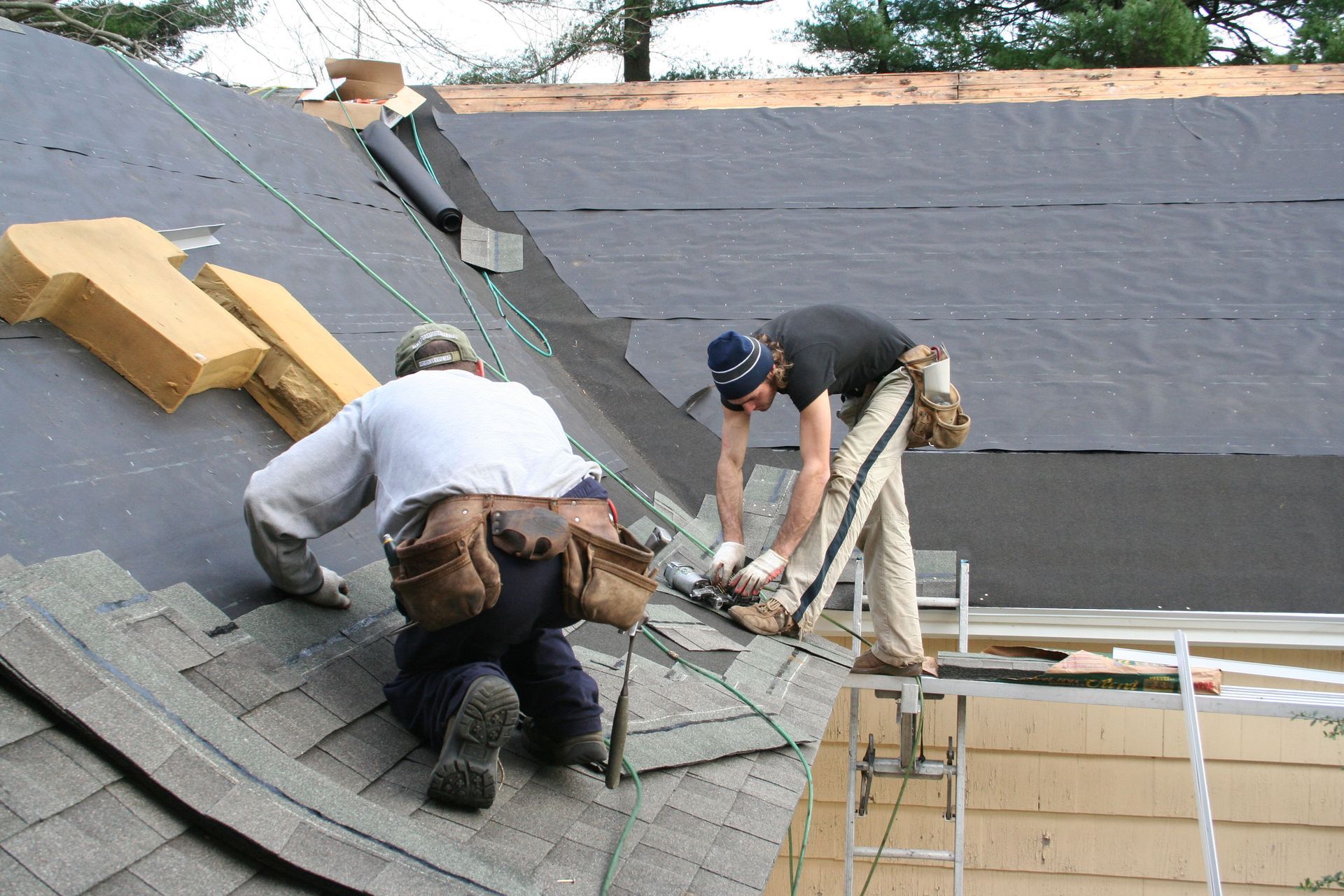
Beyond the surface layer, physical stability underfoot provides critical clues about internal health. When roofing specialists walk the surface, they pay close attention to soft spots or spongy areas. Softness usually indicates that moisture has breached the outer barrier and penetrated the underlying plywood or OSB decking. Sub-layer rot compromises the fasteners holding the top materials in place, increasing the risk of section failure during strong winds.
Inspectors also analyze sagging areas along the ridge line and structural valleys. Dips in the structure often mean long-term exposure to heavy moisture or inadequate weight distribution from aging components. Identifying these structural issues early prevents localized damage from spreading across larger areas of the ceiling framing and interior spaces.
Assessing Flashings and Critical Seams
Water intrusion rarely begins in the center of an undamaged shingle; it typically starts around penetrations and joints. Experienced roofing specialists carefully evaluate metal flashings around chimneys, skylights, plumbing vents, and wall intersections. Over time, heat causes metals to expand and contract, which can break sealant bonds, pull nails loose, or warp the metal strips away from the vertical surfaces.
Corrosion on metal flashings is another common indicator of age and exposure. Rust weakens the metal and creates tiny pinholes where water slowly seeps underneath surrounding layers. Ensuring these high-vulnerability points remain watertight is a top priority during any thorough inspection, as compromised flashing can accelerate deterioration of the surrounding wooden structures.
Evaluating Ventilation and Attic Environments
A full assessment of aging materials extends beneath the roof deck and into the attic space. Proper airflow plays a crucial role in preserving component integrity over several decades. Qualified roofing specialists check attic insulation, intake soffit vents, and exhaust ridge vents to confirm adequate air circulation. Poor airflow traps heat and moisture inside the attic cavity, baking the underside of the outer layers during warm weather.
Trapped humidity also leads to condensation on the underside of the deck, fostering mold growth and timber rot. Signs of excessive heat, such as dark water stains, rusty nail heads, or warped decking visible from inside the attic, confirm that temperature imbalances are shortening the overall usable lifespan of the protective system.
Reviewing Underlayment and Vapor Protection
The outer layer serves as the primary water shedder, but the underlayment beneath acts as the secondary waterproof barrier. As synthetic felt or traditional organic felt ages, it can become brittle, crack, or tear away from fasteners. When roofing specialists conduct an assessment, they check areas where shingles are loose or missing to verify if the underlying felt remains intact and flexible.
Felt that has dried out or deteriorated provides zero resistance to wind-driven rain that slips beneath compromised surface shingles. Identifying dry-rotted or missing underlayment helps clarify whether minor surface repairs will suffice or if the entire assembly has reached the end of its protective service life.
Analyzing Environmental Wear and Algae Growth
Local climate conditions heavily influence how fast materials degrade. Shaded areas of a building often trap moisture, creating an ideal environment for moss, algae, and lichen growth. Trained roofing specialists evaluate how biological growth affects the surface. Moss retains water against the material, which freezes and expands in cold temperatures, loosening granules and lifting edges.
Algae causes dark streaking, which affects curb appeal and decreases solar reflectivity, absorbing more heat into the building structure. Determining whether organic growth has permanently damaged the protective seal or simply created a cosmetic issue helps guide appropriate maintenance steps and long-term care plans.
Inspecting Fasteners and Thermal Movement Hazards
The stability of every layer depends heavily on the mechanical fasteners anchoring components to the wood framing underneath. Over decades of fluctuating weather conditions, nails can pull away from the decking through thermal expansion and contraction cycles. Knowledgeable roofing specialists examine overlapping courses to identify backed-out or exposed nail heads, which break the protective seal and lift adjacent sections during high-wind events.
Fasteners placed incorrectly during original construction also become failure points as materials age. Over-driven nails cut directly into asphalt membranes, while under-driven fasteners create small bumps that tear through top layers under foot traffic. Spotting hardware issues helps determine whether isolated repairs will restore wind resistance or if broad fastening failures demand comprehensive restoration efforts.
Determining Repair Feasibility and System Lifespan
The final phase of a thorough evaluation involves synthesizing physical findings to decide between localized fixes and complete replacement. Inspectors weigh the total percentage of compromised surface against overall age to ensure home remedies remain cost-effective. Skilled
roofing specialists test overall material flexibility, as brittle asphalt frequently cracks when lifted during routine patching, making small repairs counterproductive on older installations.
Beyond current surface defects, experts evaluate overall system compatibility, drainage effectiveness, and structural load capacity to guide long-term planning. Providing a clear roadmap allows property owners to budget effectively, address minor vulnerabilities before major storms strike, and maintain strong, uninterrupted overhead defense for years to come. Thorough assessments also help owners avoid unexpected emergency expenses by identifying subtle wear patterns early on. This proactive approach gives families complete peace of mind, knowing their investment is built to handle season after season of harsh exposure.
Regular assessments by knowledgeable professionals ensure your property remains protected against unpredictable weather and long-term decay. With over 25 years of experience, Christian Roofing, Inc brings deep industry knowledge to every evaluation, helping homeowners throughout the San Diego County, CA area maintain strong, secure homes. Contact us today to schedule your free estimates and let our team protect your investment for years to come.