September 10, 2026
Understanding how roofing contractors approach a full roof replacement can help homeowners make informed decisions when it is time for a major home improvement project. Replacing a roof involves much more than removing old shingles and installing new materials. Contractors must evaluate the existing structure, plan the work, protect the property, address hidden damage, and carefully install each component of the new roofing system. With over 109,000 businesses in the American roofing industry, according to IBISWorld, homeowners have many professionals to consider when planning this type of project. Learning about the major stages of replacement can make it easier to evaluate estimates, communicate with professionals, and understand what is happening throughout the project.
Beginning With a Detailed Roof Inspection
The replacement process generally begins with a thorough inspection of the existing roof. Roofing contractors examine shingles, flashing, vents, gutters, roof penetrations, and other visible components for signs of deterioration. Missing or damaged shingles, sagging areas, stains, leaks, and deteriorated flashing can indicate where additional attention may be required. Contractors may also inspect accessible attic spaces for moisture, damaged insulation, or evidence of inadequate ventilation.
Technology can provide additional information during this stage. Depending on the property and project, professionals may use drones, moisture-detection equipment, or other tools to examine areas that are difficult to access safely. These methods can help identify conditions that may not be immediately apparent during a basic visual inspection. Gathering detailed information before construction begins allows the project scope to be developed more accurately.
Estimating Costs and Discussing the Project
Once the initial assessment is complete, the contractor can prepare an estimate based on the roof's size, condition, design, materials, and expected labor requirements. A detailed estimate may include removal of existing materials, disposal expenses, new roofing products, flashing, ventilation components, underlayment, and anticipated decking repairs. Homeowners should review what is and is not included so they can compare proposals more effectively.
Roofing contractors may also explain how unexpected conditions will be handled if concealed damage is discovered after the existing roof is removed. Discussing these possibilities in advance can reduce confusion later in the project. Homeowners can use this stage to ask questions about materials, warranties, scheduling, cleanup procedures, and payment arrangements before committing to the work.
Selecting Appropriate Roofing Materials
Material selection can affect appearance, durability, maintenance needs, installation requirements, and overall project cost. Asphalt shingles remain a common residential option, while metal, tile, slate, and other materials may be appropriate for certain homes. Climate, roof slope, architectural style, local requirements, and the structural capacity of the home can all influence the decision.
Professionals can explain how different products perform and help homeowners understand the practical differences among available options. Color and texture should also be considered because the roof occupies a prominent portion of a home's exterior. Choosing materials that complement siding, trim, masonry, and surrounding architectural features can create a cohesive finished appearance while meeting the property's functional needs.
Planning the Timeline and Required Permits
After materials have been selected, roofing contractors establish a project schedule and coordinate the necessary resources. The timeline can vary depending on roof size, complexity, weather, material availability, and the amount of repair work required beneath the existing roofing. Contractors may build flexibility into the schedule because rain, high winds, extreme temperatures, or unexpected structural conditions can affect progress.
Permitting and building-code requirements may also need to be addressed before work begins. Requirements differ by jurisdiction, making familiarity with local procedures valuable. Proper planning helps ensure that the replacement complies with applicable regulations and that required inspections can occur at appropriate stages. Materials, dumpsters, equipment, and labor must also be coordinated so work can proceed efficiently once the project begins.
Preparing and Protecting the Property
Preparing the worksite is an important step because roof replacement generates substantial debris and requires workers to move materials around the property. Contractors may use tarps, plywood, temporary barriers, or other protective measures around landscaping, windows, siding, air-conditioning equipment, and outdoor features. Homeowners may also be advised to move vehicles, patio furniture, decorations, and other belongings away from the immediate work area.
Safety preparations are equally important. Crews organize equipment, establish safe access points, and use appropriate fall-protection procedures and personal protective equipment. Depending on the building, scaffolding or other temporary equipment may be needed. Establishing designated areas for materials and debris can keep the site more orderly while reducing unnecessary hazards during construction.
Removing the Existing Roofing Materials
The old roofing system must generally be removed before the condition of the underlying structure can be fully evaluated. Crews systematically remove shingles or other surface materials along with deteriorated underlayment, flashing, and related components scheduled for replacement. Roofing contractors must work carefully during this phase to avoid unnecessary damage to decking, siding, gutters, and surrounding property.
Debris is typically collected throughout the removal process rather than being allowed to accumulate around the home. Materials that qualify for recycling may be separated where appropriate and where local facilities accept them. Maintaining an organized site helps workers move safely and keeps the property manageable throughout the project.
Inspecting and Repairing the Roof Deck
Once old materials have been removed, the roof decking becomes visible. This inspection is particularly important because some forms of deterioration cannot be confirmed while shingles and underlayment remain in place. Contractors look for soft wood, rot, moisture damage, loose sections, holes, and other conditions that could compromise the new roofing system.
Damaged decking should be repaired or replaced before new materials are installed. Installing a new roof over a weak substrate could reduce its performance and potentially lead to future problems. Additional structural concerns discovered during removal may require further evaluation before installation continues. Addressing these conditions creates a stable foundation for the new roofing components.
Installing Underlayment and Protective Components
With a sound deck prepared, roofing contractors can begin installing the protective layers beneath the finished roofing material. Underlayment provides an additional barrier between the roof deck and exterior covering. Depending on the roof design and local requirements, specialized water-resistant membranes may also be installed around valleys, eaves, penetrations, or other areas that are particularly vulnerable to moisture.
Flashing is another important part of water management. It is commonly installed around chimneys, walls, skylights, vents, and roof transitions to direct water away from openings and joints. Careful installation of these components helps reduce opportunities for water intrusion and supports the long-term performance of the completed system.
Installing the New Roofing Surface
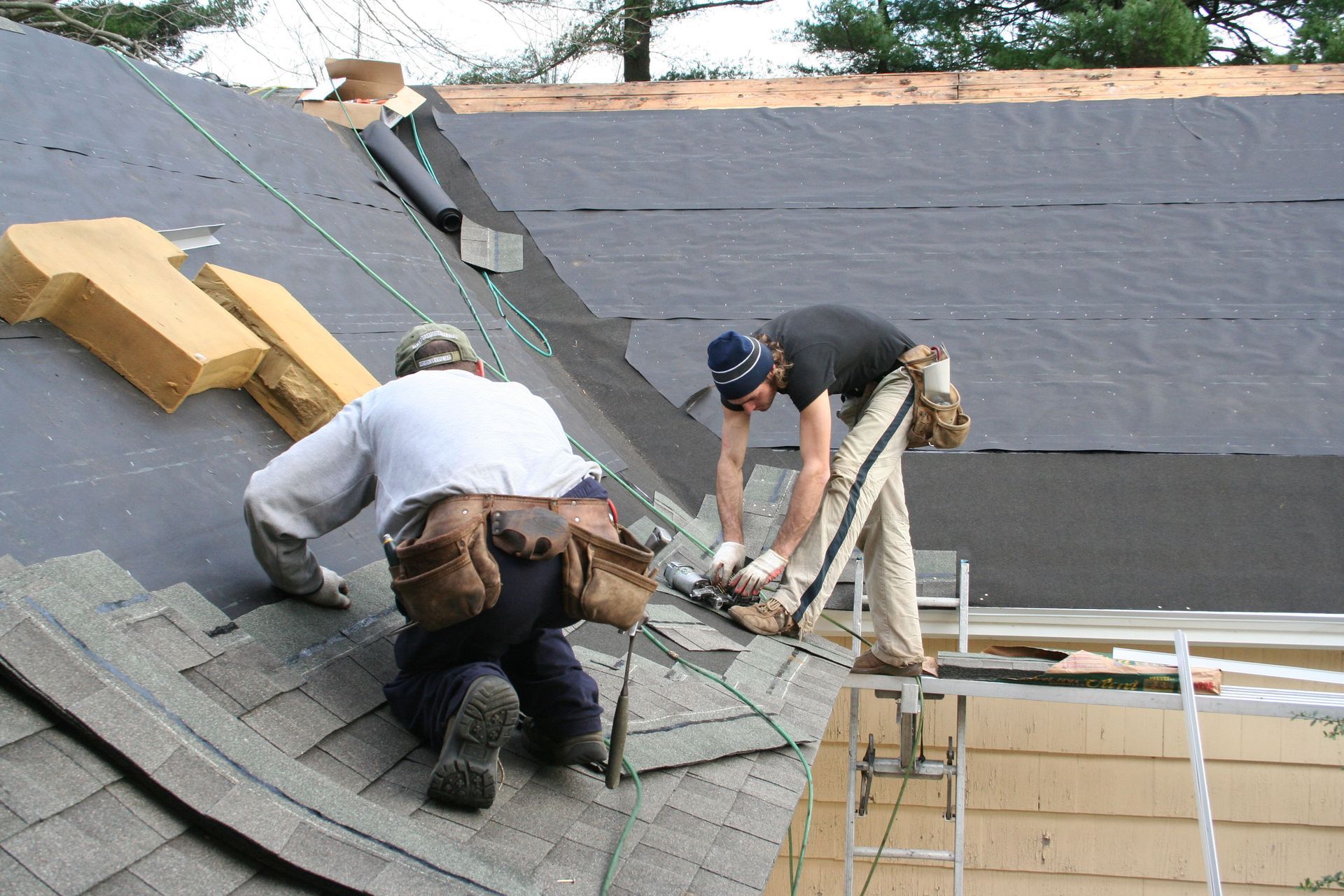
The primary roofing material is installed according to the requirements of the selected product and the design of the roof. Shingles, panels, tiles, or other materials must be properly aligned, overlapped, and fastened. Attention to fastening patterns and placement is particularly important because improper installation may make materials more vulnerable to wind, moisture, and premature deterioration.
Crews typically work systematically across sections of the roof while integrating flashing, valleys, ridge components, and penetrations. Careful workmanship at transitions and edges is especially important because these areas can experience substantial exposure to wind and water. Consistent installation also contributes to a more uniform and attractive finished appearance.
Understanding these steps gives homeowners a clearer picture of what a professional replacement involves and what questions they should ask before work begins. Careful planning, appropriate materials, responsible site preparation, detailed installation, and ongoing maintenance can help the new roof perform effectively for years. When homeowners remain informed and communicate throughout the project, they are better positioned to protect their property and make decisions that support the roof's durability, appearance, and long-term value. Contact our team at Christian Roofing, Inc today and learn more about our roofing services.